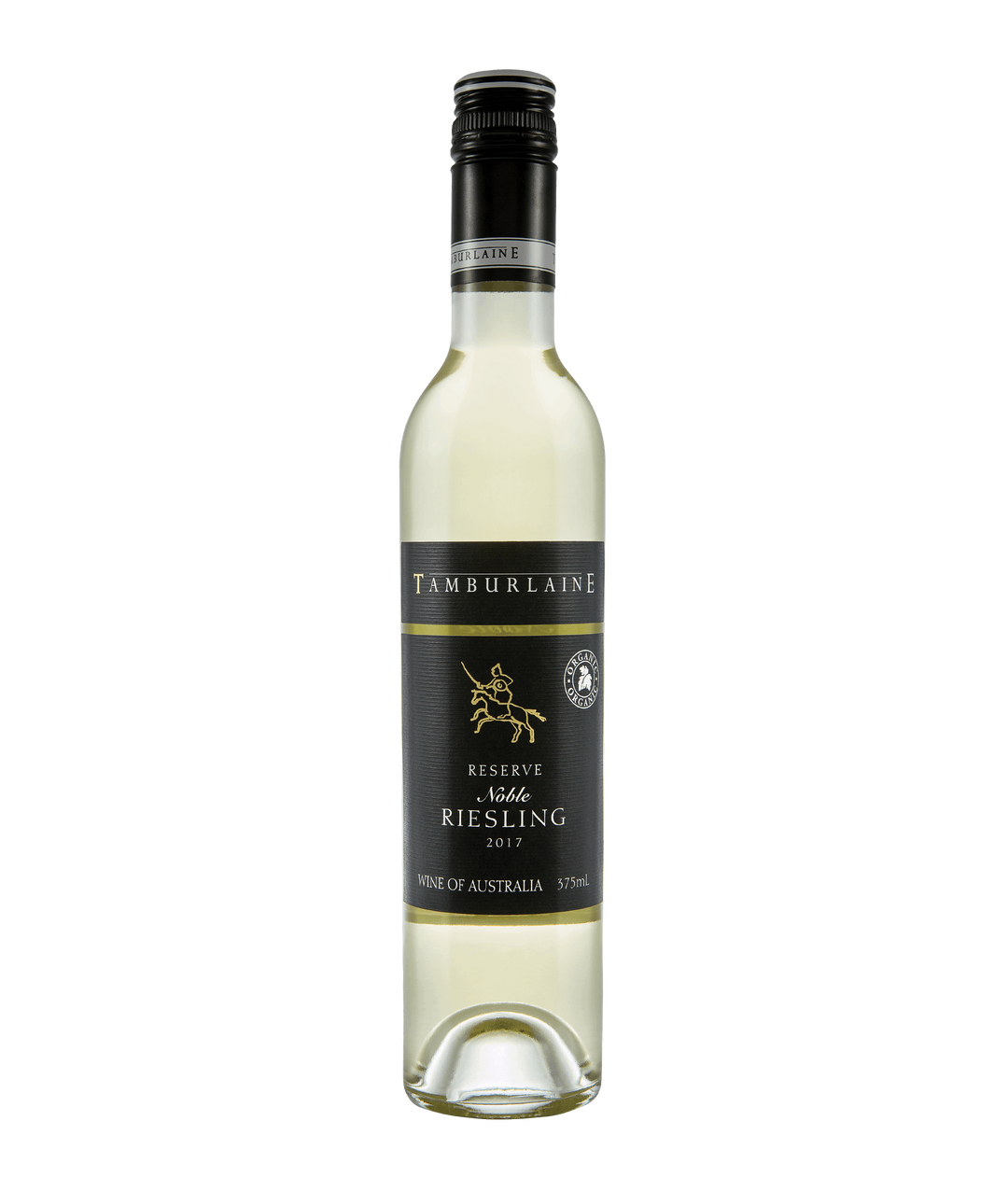


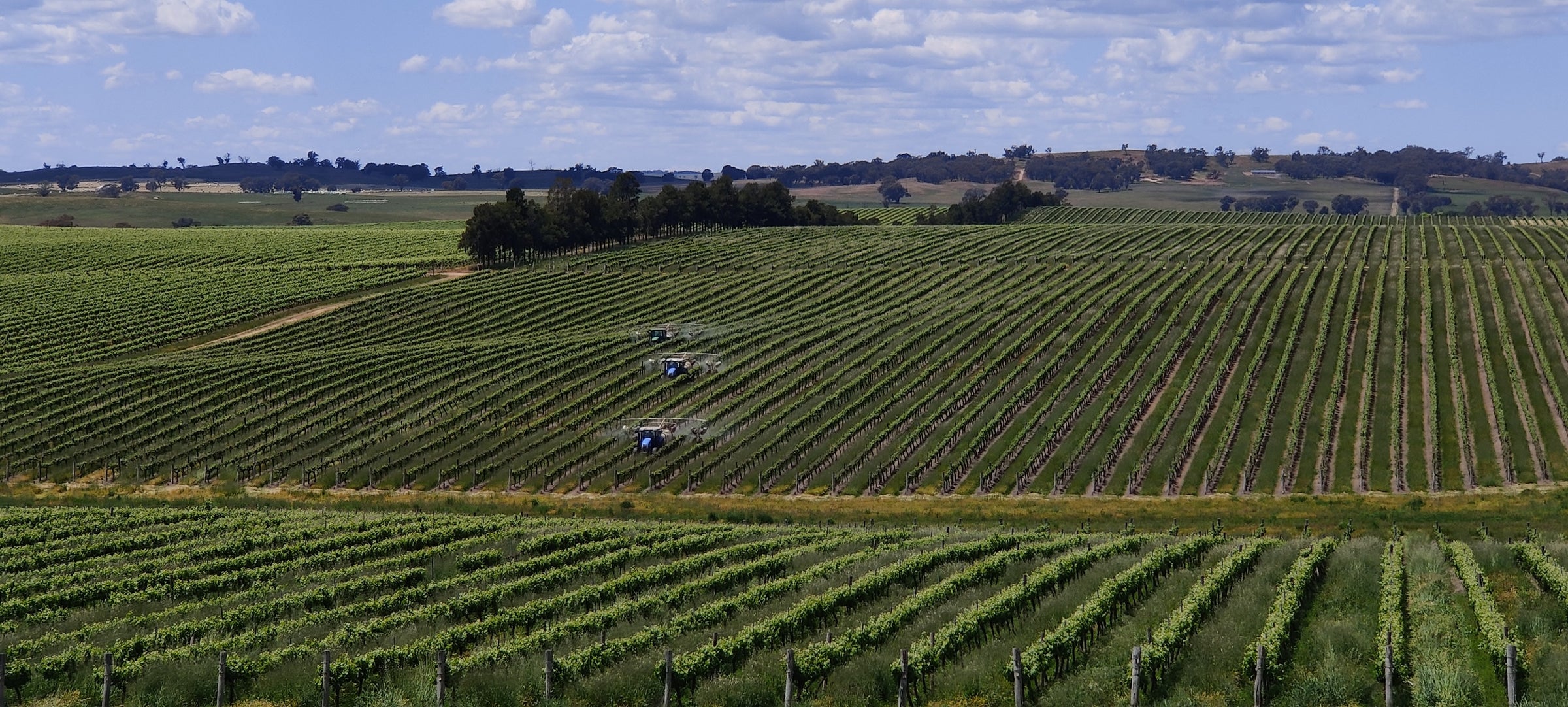

Made without any sulphur from vineyard through to bottle, our No Preservative Added ('NPA') wines are produced with quality at the forefront. Our winemaking focus is on crafting white wines that are aromatic and bright with a balanced acidity, and soft tannins in the reds.
A range for those making an active choice to not consume sulphur, or those with an allergy, enjoy these wines young and they will not disappoint.
As we often tell people, "it's not so much about what you are tasting, as it is about what you're not tasting". Premium wines without any additives.


No Preservative Added FAQs
Looking for preservative free wine, wine without preservatives or wine with no added sulphur/sulphites? The terminology can be confusing.
Most of the time, people searching for “preservative free wine” are looking for wines made without added sulphur dioxide, also known as sulphites, SO₂ or preservative 220. Because small amounts of sulphites can occur naturally during fermentation, we use the more precise term No Preservative Added.
Here’s what that means, how no added sulphites wine is made, and how it differs from organic, low sulphur and conventional wine.
What is No Preservative Added wine?
No Preservative Added wine is wine made without adding sulphur dioxide during the winegrowing and winemaking processes.
Sulphur dioxide, also known as SO₂, sulphites or preservative 220, is commonly added to wine to protect it from oxidation and spoilage.
Tamburlaine's No Preservative Added wines are made without adding these preservatives, from grape to glass. Small amounts of sulphites can still occur naturally during fermentation, which is why No Preservative Added is a more accurate description than simply saying the wine contains no sulphites at all.
Is No Preservative Added wine the same as Preservative Free wine?
“Preservative free wine” is a commonly used term for wine made without added preservatives, so the two phrases are often intended to mean the same thing.
However, even when grape growers and winemakers don’t add any sulphur dioxide, yeast can naturally produce tiny amounts of sulphites during fermentation. For that reason, Tamburlaine uses the term No Preservative Added wine: no sulphur dioxide has been added at any stage during the journey from grape to glass, although naturally occurring trace levels may still be present.
What is Sulphites in wine?
Sulphites are compounds based on sulphur dioxide that can help protect wine against oxidation and microbial spoilage.
In winemaking, sulphur dioxide may also appear as SO₂, preservative 220, sulphites or added sulphur.
Sulphites can come from two sources:
- they can occur naturally during fermentation; or
- a winemaker can deliberately add sulphur dioxide as a preservative.
A No Preservative Added wine is made without the second of these: no sulphur dioxide is deliberately added during any stage of production.
What is Preservative 220 in wine?
Preservative 220 is sulphur dioxide, or SO₂.
It is one of the most commonly used preservatives in winemaking because it helps protect wine against oxidation, unwanted microbial activity and deterioration.
If you've searched for “what is preservative 220 in wine?”, “wine without preservative 220” or “wine without sulphites”, you're generally looking at the same part of the winemaking process.
Tamburlaine's No Preservative Added wines are made without adding preservative 220 at any stage in the grape growing or winemaking process.
Does wine contain Sulphites naturally?
Yes.
Small amounts of sulphites can be produced naturally during alcoholic fermentation, even when no sulphur dioxide has been added to the wine.
This is why terms such as “sulphite free wine” or "Preservative Free" can be misleading. A wine can be made with no added sulphites while still containing very small amounts of naturally occurring sulphites.
For consumers wanting to avoid added sulphur dioxide, look for terms such as No Preservative Added or No Added Sulphur.
Is No Preservative Added wine completely Sulphite Free?
Not necessarily.
No added sulphites, or No Preservative Added, wine means that the winemaker has not added sulphur dioxide at any stage during the grape growing and winemaking process, but trace amounts of sulphites may occur naturally during fermentation.
That distinction is important.
“Sulphite free wine”, “preservative free wine” and “wine without sulphites” are popular ways people refer to this style of wine, but No Preservative Added or No Added Sulphur more accurately describe wines made without added SO₂.
What is the difference between low sulphur wine and No Preservative Added wine?
Low sulphur wine may still have sulphur dioxide added during winemaking. No Preservative Added wine has none deliberately added.
At Tamburlaine, we already take a low-intervention approach to sulphur across our winemaking process, but wines labelled No Preservative Added go one step further: no preservative is added at any stage from grape to glass.
So when comparing low sulphur wine, low sulphite wine and no added sulphites wine, check the individual wine rather than assuming the terms mean the same thing.
Is organic wine the same as Preservative Free wine?
Organic certification primarily relates to the way the grapes are grown and the standards followed during production, specifically without the use of inorganic chemicals such as herbicides, pesticides and fungicides. Certified organic wine can still contain added sulphur dioxide, although typically in lower quantities than in traditionally made wines.
No Preservative Added refers specifically to whether preservatives such as sulphur dioxide have been added during the grape growing and/or winemaking process.
A wine can therefore be:
- organic but made with added sulphur;
- No Preservative Added but not certified organic; or
- both certified organic and No Preservative Added.
Tamburlaine combines certified organic viticulture with a range of wines specifically made with no preservatives added.
Us No Preservative Added wine the same as natural wine?
No.
Natural wine and No Preservative Added wine are related ideas, but they are not interchangeable terms.
“Natural wine” is an unofficial term that can refer to a broad winemaking philosophy involving minimal intervention, but there is no single definition that tells you exactly how much sulphur has been used – nor any certification to assess the winemaking process, unlike organic certified wines.
If your priority is specifically finding wine without added sulphites, look for a clear No Preservative Added or No Added Sulphur statement rather than relying on the term “natural wine”.
Why is Sulphur Dioxide normally added to wine?
Sulphur dioxide is useful because it helps protect wine.
It can reduce oxidation, help control unwanted microorganisms and keep a wine stable as it travels from the winery to your glass.
Making wine without added preservatives therefore requires particularly careful handling of the fruit and wine throughout production.
Good fruit quality, winery hygiene, oxygen management, temperature control and precise winemaking all become even more important when sulphur dioxide is not being used as a preservative.
Does No Preservative Added wine taste different?
It can, but No Preservative Added does not define a flavour or style of wine.
A no added sulphur wine can still be crisp, aromatic, rich, dry, sparkling, red, white or rosé.
Our approach is not to make a wine that tastes “alternative” simply because preservatives have been left out. The aim is to make a genuinely good wine first, with freshness, varietal character and flavour, while making it without added preservatives.
No preservatives added. No compromise on the wine.
Does Tamburlaine make Preservative Free red wine?
If you're looking for preservative free red wine or red wine with no added sulphur, our Wine Lovers No Preservative Added Shiraz is made without added preservatives.
The 2026 Shiraz shows fresh plum and cherry fruit, black pepper and spice, with juicy red fruit and silky tannins.
Technically, we describe it as No Preservative Added Shiraz rather than sulphite free wine because trace amounts of sulphites can occur naturally during fermentation.
Does Tamburlaine make Preservative Free white wine?
Yes, if by preservative free white wine you mean white wine made without added sulphur dioxide.
Our Wine Lovers No Preservative Added Sauvignon Blanc is made with no preservatives added from grape to glass.
It is a fresh, crisp style with grapefruit, lemon zest and bright acidity.
Can you get Preservative Free rosé?
Yes.
For people searching for preservative free rosé, rosé with no added sulphites or wine without preservatives, Tamburlaine makes a Wine Lovers No Preservative Added Rosé.
It is bright and dry, with strawberry and watermelon fruit, refreshing acidity and a savoury finish.
Again, we use the term No Preservative Added Rosé because trace sulphites may still occur naturally even when none have been added.
Can sparkling wine be made without added Preservatives?
Yes.
Tamburlaine's Wine Lovers No Preservative Added Blanc de Blanc Sparkling is made without the addition of sulphur dioxide preservatives.
So if you're looking for preservative free sparkling wine, sparkling wine without sulphites or No Added Sulphur sparkling wine, look for the No Preservative Added designation.
The Blanc de Blanc is crisp and dry, with green apple, lemon and a fine, refreshing bead.
Are No Preservative Added wines vegan?
Whether a wine is vegan or not depends on the winemaking process, particularly the fining agents used, rather than whether sulphur dioxide has been added.
Tamburlaine produces vegan-friendly wines using winemaking methods that avoid traditional animal-derived fining agents where the wine is labelled vegan friendly.
Look for the Vegan Friendly designation on the individual bottle or product page.
Can No Preservative Added wine be cellared?
Wines made without added preservatives are designed to be enjoyed young and fresh. While they will not go bad straight away, we suggest enjoying within 1-2 years for optimum taste.
How should I store wine with No Added Preservatives after opening?
Treat an opened bottle of No Preservative Added wine carefully.
Reseal it, keep it refrigerated and minimise the amount of time the wine is exposed to air. Red wine can be allowed to return towards serving temperature before drinking again.
Because no sulphur dioxide has been added to provide additional protection against oxidation, freshness after opening is particularly important.
Where can I buy No Preservative Added wine in Australia?
You can buy Tamburlaine No Preservative Added wine online in Australia directly from Tamburlaine Organic Wines, or by visiting our Hunter Valley or Millthorpe Cellar Doors, where you are welcome to try the wines first.